
Effective construction management of healthcare projects ensures that medical facilities are built on time, within budget, and in full compliance with regulatory standards. From small clinics to large hospital systems, the complexities of healthcare construction demand a structured, strategic approach.
This guide walks you through each phase of healthcare project delivery—from planning to post-construction—highlighting critical roles, best practices, and how expert oversight minimizes risks. Whether you’re a clinic owner or a healthcare administrator, understanding this process helps you make informed decisions and avoid costly setbacks.
Interested in why healthcare construction is more complex than commercial projects? The U.S. General Services Administration explains the unique design needs of medical facilities in this resource on healthcare facilities.
- Pre-Planning: Aligning Vision, Scope, and Budget
The first step in successful medical facility project management begins long before construction crews arrive. Pre-planning focuses on clearly defining the project’s scope, goals, and financial boundaries.
Key Activities:
- Needs assessment: Determine clinical needs, patient volume, and functional requirements.
- Feasibility analysis: Evaluate location, zoning, and cost-effectiveness of proposed sites.
- Budget forecasting: Align projected construction costs with available financing.
- Stakeholder coordination: Ensure input from physicians, administrators, and regulatory consultants.
Why It Matters:
Early alignment reduces costly revisions later and sets a realistic foundation for the entire project. Pre-planning is where clinic build timelines are born—and where delays can be avoided before they start.
2. Design Development: Translating Vision into Buildable Plans
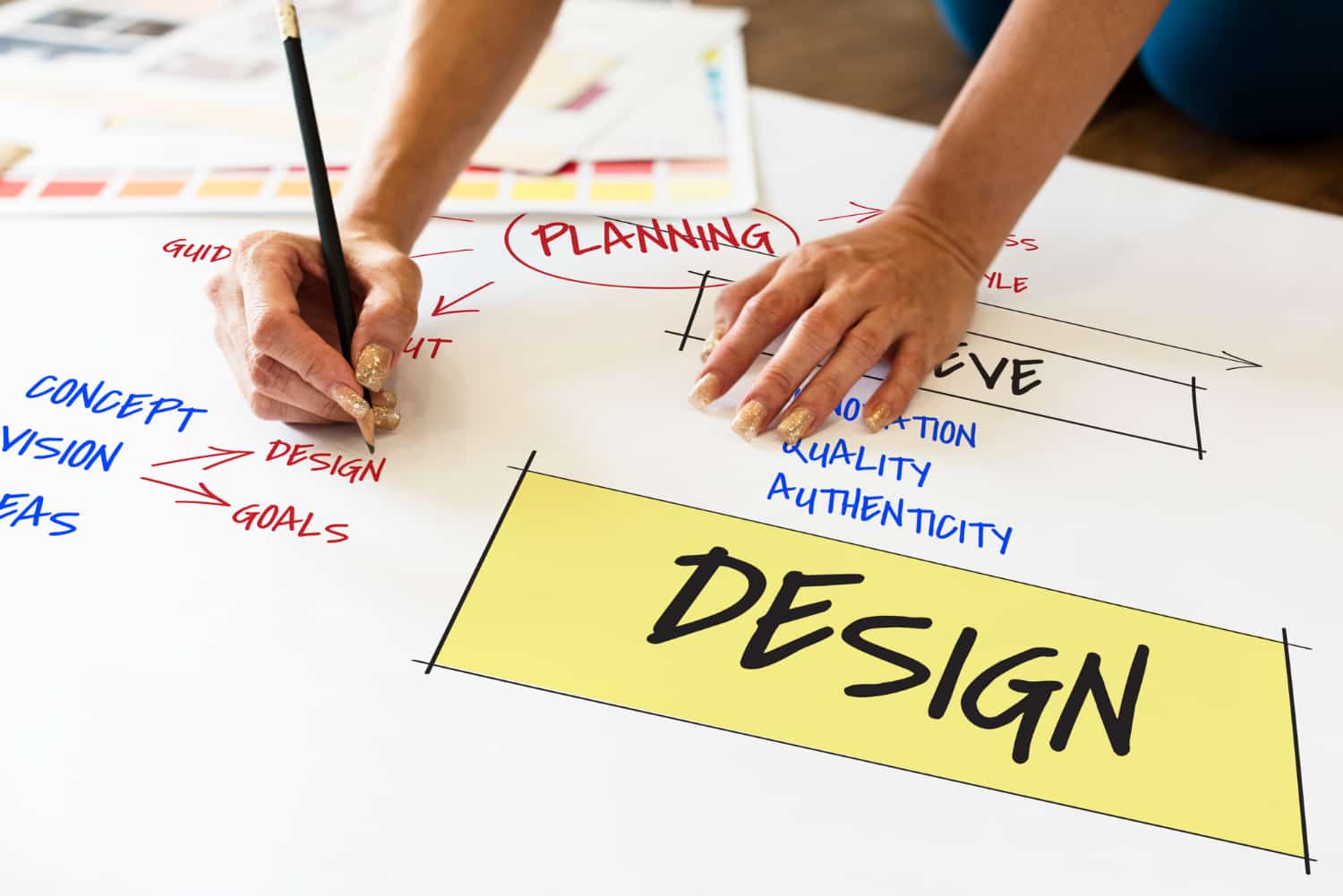
Once the goals and financial plan are clear, the next phase involves translating those into architectural and engineering designs that meet both functional and regulatory standards.
Core Elements:
- Schematic design: High-level layouts that define space use (exam rooms, labs, waiting areas).
- Design development: Detailed drawings for electrical, plumbing, HVAC, and medical equipment placement.
- Compliance checks: Integrating ADA accessibility, infection control, and Florida AHCA regulations.
Construction management of healthcare projects during this stage ensures that designs are practical, code-compliant, and aligned with the budget.
Oversight Tip:
Continuous design reviews allow for early corrections and reduce change orders later—one of the top drivers of construction delays and cost overruns.
For design professionals and decision-makers, the Facility Guidelines Institute (FGI) publishes trusted standards for medical planning. You can access their current FGI Guidelines for Design and Construction to better understand compliance and safety benchmarks.
3. Permitting and Approvals: Navigating the Regulatory Landscape
Healthcare construction oversight includes ensuring all necessary approvals are obtained before breaking ground.
Steps in the Permitting Phase:
- Submit plans to local and state authorities (including AHCA if in Florida).
- Conduct environmental and health impact assessments, if required.
- Address fire safety, sanitation, and structural codes specific to medical environments.
Medical facility project management must include a strong understanding of regulatory nuances, especially for specialty care clinics, surgical centers, and imaging facilities.
Pro Tip:
Delays in permitting can push clinic build timelines back by weeks or even months. Partnering with a construction manager experienced in healthcare regulations mitigates this risk.
4. Pre-Construction: Assembling the Right Team and Timeline
With permits in hand, the focus shifts to pre-construction—setting up the execution framework and logistics.
Key Deliverables:
- Bid procurement and contractor selection
- Construction schedule development
- Material sourcing and cost estimation
- Risk mitigation planning
At this stage, construction management of healthcare projects emphasizes precise scheduling, vendor coordination, and contingency planning to ensure a seamless build phase.
Why It’s Critical:
This phase determines the success of clinic build timelines. A well-organized pre-construction process prevents costly disruptions during active construction.
5. Construction Execution: Coordinated, Controlled, and Compliant
Once ground breaks, healthcare construction oversight ensures every step is executed according to plan. Unlike commercial builds, healthcare facilities demand higher standards for infection control, structural integrity, and equipment integration.
Construction Oversight Includes:
- Daily site inspections and quality control
- Coordination of trades (plumbing, electrical, HVAC, medical gas systems)
- Schedule monitoring and milestone tracking
- Safety compliance and site cleanliness
- Real-time problem-solving and documentation
Key Challenge:
Maintaining clinic operations (for renovations or expansions) while minimizing downtime or patient disruption. Here, experienced managers make strategic decisions about phasing and scheduling.
Clinic Build Timelines Insight:
A typical outpatient clinic may take 6–12 months, while larger facilities extend up to 24 months. Timelines are directly influenced by scope, permitting speed, and coordination efficiency.
6. Commissioning and Final Inspection: Ready for Operation
As construction nears completion, it enters the commissioning stage—where systems are tested, finishes are reviewed, and the facility is prepared for occupancy.
Tasks Include:
- HVAC and life safety system testing
- Equipment calibration and installation
- Final AHCA or local authority inspections
- Staff walkthroughs and operational training
Medical facility project management at this phase focuses on validation and documentation. Every element must function as intended to ensure patient safety and code compliance.
Final Inspection Tip:
Allow sufficient buffer time for final inspections and corrections. A rushed handover often leads to missed items and extended punch lists.
7. Post-Construction Support: Ensuring Long-Term Success
Even after the ribbon is cut, construction management doesn’t stop. Post-construction support ensures that the facility operates efficiently from day one.
Post-Construction Oversight Covers:
- Addressing punch list items
- Warranty coordination
- Maintenance training and manuals
- Facility management system setup
Ongoing healthcare construction oversight helps facility managers monitor performance, optimize operations, and plan for future growth.
Building Smart: Innovations in Modern Healthcare Construction

Today’s construction management of healthcare projects goes beyond timelines and budgets—it involves forward-thinking design and sustainable, tech-ready infrastructure.
Modern Strategies Include:
- Telemedicine integration: Designing spaces for virtual care delivery and secure digital infrastructure.
- Sustainable construction: LEED-certifiable materials, energy-efficient systems, and reduced carbon footprints.
- Modular and prefabricated builds: Reducing build times while maintaining compliance and durability.
Why It Matters:
Healthcare is evolving, and so must the spaces that support it. Working with experts in medical facility project management ensures your clinic meets future demands without compromising present needs.
Build with Confidence and Clarity
From planning to post-occupancy, expert construction management of healthcare projects transforms complex builds into streamlined, successful outcomes. When paired with skilled healthcare construction oversight and proactive scheduling, your clinic project stays on time, on budget, and on mission.
Whether you’re launching a new facility or expanding an existing practice, a reliable construction management partner ensures compliance, quality, and patient-ready results—every step of the way.
Ready to take the next step in building or expanding your medical facility?
Contact Medical Construction Group today to discuss expert construction management, healthcare-specific oversight, and customized solutions that support your long-term success.