
Introduction: Building the Future of Healthcare Spaces
Medical building construction is a complex process that requires strategic planning, regulatory expertise, and functional design. Whether you’re developing a new clinic, outpatient center, or specialty care facility, aligning construction goals with clinical needs is essential to ensuring a high-performing and compliant space.
In this comprehensive guide, we explore the key elements of medical construction — from healthcare building design and compliance with medical facility regulations to cost considerations and process workflows. With expert insights and links to reputable resources, this post will help healthcare administrators and clinic owners navigate the path from idea to occupancy.
Strategic Planning: Building from the Ground Up
Before construction begins, every successful project starts with thorough planning. This involves aligning your business goals, regulatory requirements, and clinical services within the project’s scope and budget.
Key Planning Considerations:
- Community Health Needs: Understanding local demand is crucial. The Health Resources and Services Administration (HRSA) provides valuable tools to evaluate healthcare shortages and service gaps by region.
- Zoning and Permitting: Review municipal regulations, zoning classifications, and infrastructure access (utilities, traffic flow) before site selection.
- Operational and Financial Planning: Define whether your facility will be leased or owned, determine ROI timelines, and explore options like tax incentives or specialized financing for medical developments.
Involving experienced healthcare construction professionals early can significantly reduce costly revisions and accelerate regulatory approvals.
Designing for Clinical Performance and Patient Experience
Healthcare building design must balance aesthetics with strict functionality. Unlike commercial construction, medical facilities must support complex workflows, infection control, and patient-centered care.
Core Elements of Medical Facility Design:
- Clinical Workflow Optimization
Design should support the intuitive movement of staff, patients, and materials. Separate entry/exit paths for staff and patients, and include dedicated zones for clean and soiled materials.
- Patient Comfort and Privacy
Incorporate soundproofing, natural lighting, and intuitive wayfinding to improve the patient journey and reduce anxiety.
- Adaptability
Flexible layouts allow for future growth, telemedicine integration, or the addition of new specialties without major renovation.
Sustainable and Smart Integration
Sustainable design is increasingly important in healthcare. Energy-efficient HVAC systems, low-VOC materials, and daylight harvesting reduce operational costs and environmental impact.
Innovative technologies such as automated access control, air quality sensors, and real-time occupancy tracking improve safety and enhance facility responsiveness.
For detailed clinical layout standards, refer to the Facility Guidelines Institute (FGI) Healthcare Design Guidelines, a national resource for best practices in healthcare design.
Ensuring Medical Facility Compliance
Healthcare facilities must meet stringent regulations to operate legally and safely. Compliance spans across construction codes, infection prevention, accessibility, and licensing.
Key Compliance Areas:
- Building and Accessibility Codes
All facilities must comply with IBC standards and the Americans with Disabilities Act (ADA). This includes proper door widths, accessible restrooms, and wheelchair routes.
- Fire and Life Safety Systems
Emergency egress, fire-rated partitions, smoke compartments, and sprinkler systems must meet codes like the NFPA 101: Life Safety Code.
- ICRA Protocols
During both construction and operations, Infection Control Risk Assessments (ICRAs) help prevent airborne contamination — particularly critical in areas near surgical or immunocompromised areas.
- MEP Systems for Healthcare Use
Medical gases, negative-pressure isolation rooms, and redundant power systems must comply with healthcare-specific engineering standards.
- Licensing and Accreditation
Facilities offering surgical or diagnostic services must often meet CMS and Joint Commission requirements for Medicare/Medicaid eligibility and accreditation.
How to Stay Compliant:
Work with a construction firm experienced in medical facility compliance to ensure your project passes inspections and meets all local and federal standards.
Cost Considerations in Medical Building Construction
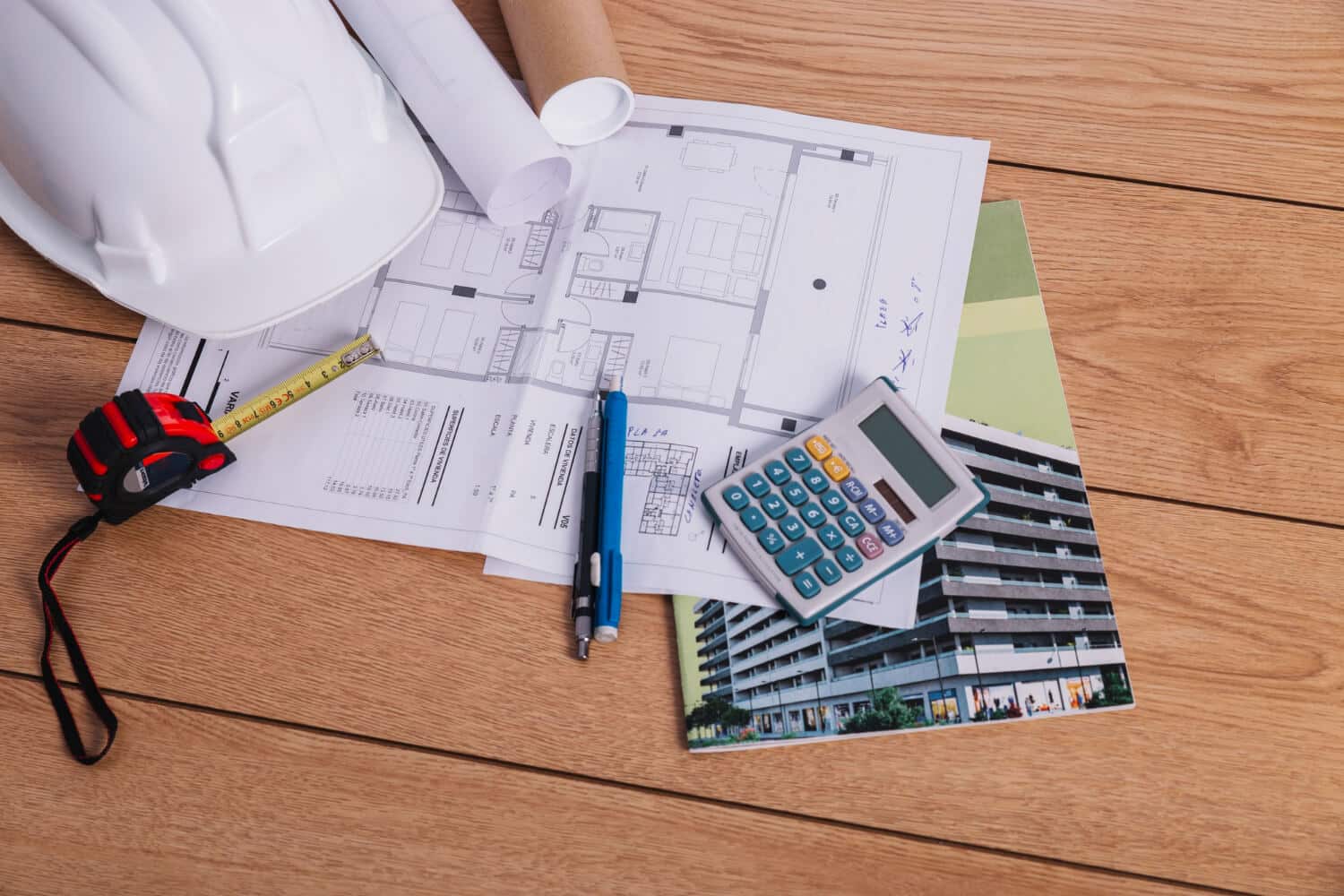
Understanding cost drivers and managing your budget early is key to avoiding overages or scope reductions later in the project.
Major Cost Drivers:
- Site Acquisition and Preparation
Location affects everything from permitting fees to construction logistics and insurance.
- Regulatory and Design Fees
Architecture, engineering, and compliance documentation can range from 7–15% of total construction costs.
- Medical-Grade Materials and Finishes
Durable, non-porous materials that meet infection control standards cost more than commercial-grade alternatives.
- Technology and Infrastructure
Costs for telemedicine infrastructure, data networks, and medical imaging equipment must be factored into construction budgets.
- Permits and Regulatory Approvals
These include local building permits, state healthcare authority approvals, and potentially CMS registration.
- Contingency Funds
A contingency reserve of 10–15% is recommended to account for unknowns such as material delays or code-related design changes.
Cost Control Strategies:
- Use a design-build delivery method to reduce miscommunication and streamline changes.
- Apply value engineering to substitute materials or equipment without compromising function or safety.
- Plan for phased construction to align cash flow with operational priorities.
- Explore alternative financing, including clinic office financing in Florida and sale-leaseback models.
The Medical Clinic Construction Process
Understanding the entire construction lifecycle helps healthcare organizations manage expectations, timelines, and stakeholder coordination effectively.
1. Pre-Construction
- Market analysis
- Site acquisition
- Feasibility and funding plan
- Conceptual and schematic design
2. Design Development
- Architectural drawings and 3D modeling
- Engineering plans (MEP, structural)
- Equipment and IT integration
- Code review and permit submission
3. Construction Phase
- Groundbreaking and infrastructure
- Framing, roofing, and MEP systems
- Interior finishes and specialty installations
- AHJ inspections and compliance reviews
4. Post-Construction
- Final walk-through and punch list
- Staff orientation and equipment testing
- Certificate of occupancy
- Transition to operations and licensing activation
Clear milestones and proactive communication ensure that each phase of the clinic construction process runs efficiently.
Looking Ahead: Building for Digital and Sustainable Healthcare
Future-ready medical buildings must be able to accommodate evolving healthcare delivery methods and sustainability standards.
Future-Proofing Considerations:
- Telemedicine-Ready Spaces: Include video conferencing rooms, secure network infrastructure, and private digital consultation areas.
- Sustainability: Design to LEED standards or integrate passive strategies (solar shading, natural ventilation) to reduce carbon footprint.
- Data and Cybersecurity: Integrate secure server rooms, access control, and HIPAA-compliant digital storage solutions.
Build Smarter, Safer, and in Compliance
Medical building construction demands more than bricks and blueprints — it requires a deep understanding of healthcare delivery, regulatory frameworks, and long-term facility needs. From strategic planning to post-construction activation, every decision should support quality care, clinical safety, and operational efficiency.
Ready to start building your healthcare facility?
Contact Medical Construction Group today to discuss your vision and explore expert construction and financing solutions tailored to your clinical goals.
Frequently Asked Questions
- How long does it take to build a medical facility?
Timelines vary by size and complexity. Outpatient clinics typically take 9–14 months, while surgical or diagnostic centers may require 18–24 months from planning to completion. - What licenses are required to operate a medical facility?
Facilities must obtain a Certificate of Occupancy and state health department licenses and may need CMS registration or Joint Commission accreditation, depending on the services offered. - Can we build in phases to reduce upfront costs?
Yes. Phased construction is a smart strategy that enables you to prioritize core services and scale operations as demand grows. - What’s the difference between a general contractor and a healthcare construction specialist?
Healthcare specialists understand infection control, medical infrastructure, and regulatory codes. This reduces costly mistakes and ensures compliance at every step.